
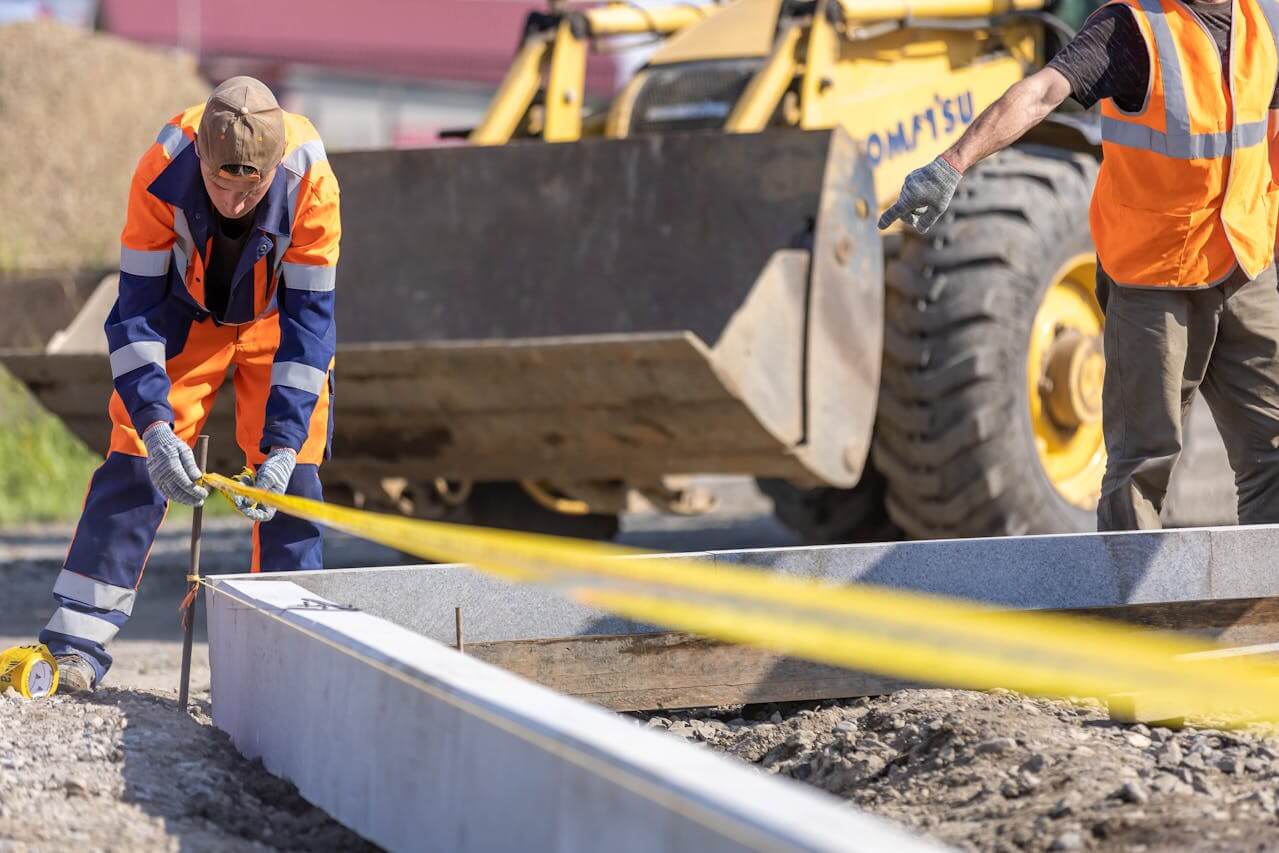
The United States is entering a historic era of building, but the “Energy Renaissance” faces a significant hurdle due to a shortage of skilled labor. Despite a projected 4.2% rise in infrastructure spending, the industry needs to attract approximately 349,000 net new workers in 2026 to meet current demand.
Labor availability is currently a primary limiting factor for modernization. Jeffrey Shoaf, CEO of the Associated General Contractors (AGC), says that more than four out of five firms report difficulty filling hourly craft positions, which is the highest proportion recorded in three years.
Industry experts identify two major shifts driving this crisis. A “Silver Tsunami” is affecting the sector as a veteran workforce reaches retirement age, creating an urgent need for new talent. Additionally, modern projects require specialized skills for AI infrastructure, smart grids, and renewable energy, which further strains the pool of qualified technicians.
Anirban Basu, Chief Economist for ABC, summarizes the situation by stating that the industry faces an urgent need for talent to rebuild America’s infrastructure. To build a resilient future, the industry is moving beyond traditional recruiting methods.
At SYTE Corp, the approach involves treating personnel as core infrastructure. By focusing on competitive pay, clear advancement pathways, and purpose driven projects, the goal is to attract a new generation to the trades.